The Thrill of Risk: Understanding Gambling Behavior
The psychology of winning at casinos is deeply rooted in the thrill and excitement that gambling brings. Many people are attracted to the risk of losing money, which paradoxically heightens the pleasure associated with potential gains. The anticipation of a win can trigger a rush of adrenaline, leading to an immersive experience that keeps players coming back for more. This combination of risk and reward engages multiple areas of the brain, reinforcing behavior and creating a cycle of engagement. Moreover, players often seek out information on how to improve their odds, such as a non gamstop casino no deposit bonus to maximize their winnings.

Furthermore, the concept of loss aversion plays a critical role in how gamblers perceive their chances of winning. When players lose, they often feel a stronger emotional response than when they win. This psychological phenomenon can lead to chasing losses, where individuals keep gambling in hopes of recouping what they’ve lost. Understanding these mental triggers can help players identify their motivations and make more informed decisions when playing at casinos.
The Role of Cognitive Biases in Gambling Decisions
Cognitive biases significantly impact the choices that gamblers make in a casino setting. One common bias is the illusion of control, where players believe they can influence the outcome of a game through their actions. This mindset is particularly prevalent in games like poker or blackjack, where skill is involved. Players often attribute wins to their skills while dismissing losses as bad luck, which can skew their judgment and decision-making processes.
Another relevant bias is the gambler’s fallacy, the belief that past events can influence future outcomes. For example, if a player witnesses several losses in a row, they may convince themselves that a win is “due.” Such biases can lead to irrational betting behaviors and can hinder optimal strategies. Recognizing these cognitive patterns can assist players in developing a more strategic approach, promoting better decision-making at the tables.
The Impact of Environment on Gambling Success
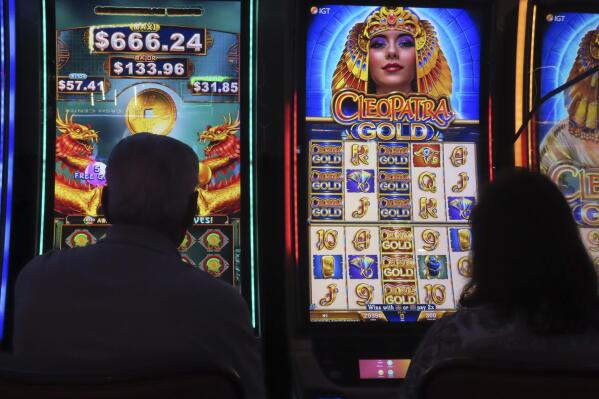
The environment within a casino significantly affects a player’s psychology and can enhance the likelihood of winning. Factors such as lighting, noise levels, and even the layout of gaming areas are designed to create an atmosphere that encourages prolonged play. Bright lights and sounds associated with wins can stimulate excitement, making players feel as though they are on a winning streak, even when they are not.
Additionally, social dynamics come into play. The presence of other gamblers can boost confidence and foster a sense of belonging, which may enhance the overall gambling experience. However, it can also lead to peer pressure, pushing individuals to make riskier bets than they otherwise might. Understanding how these environmental elements interact with psychological patterns can help gamblers navigate their experiences more effectively.
Strategies for Responsible Gambling
To ensure a positive gambling experience, it is vital to adopt strategies that promote responsible gaming. Setting clear limits on time and money spent is crucial for maintaining control and avoiding the pitfalls of excessive play. Awareness of personal motivations for gambling and recognizing emotional triggers can prevent problematic behavior and enhance the enjoyment of the experience.
Implementing self-checks and knowing when to take breaks are also effective strategies. This not only helps to mitigate the risks associated with gambling but also reinforces the idea that entertainment should remain a primary focus. By developing a healthy relationship with gambling, players can still enjoy the thrill while minimizing the negative psychological effects that can accompany it.
Join the Conversation on Casino Psychology
Understanding the psychology behind winning at casinos can empower players to make more informed choices while engaging in gambling activities. By exploring cognitive biases, environmental influences, and strategies for responsible gambling, individuals can enjoy their experiences without falling prey to common pitfalls. Engaging in discussions about these topics fosters a community that values awareness and responsible play.
As we continue to explore the fascinating interplay between psychology and gambling, it is essential for all players to remain mindful of their behaviors and motivations. Together, we can promote a healthier approach to gaming, ensuring that the enjoyment of casinos remains a safe and pleasurable pursuit.